Rat repellent spray reduces rodent activity by masking familiar scents and introducing strong, unpleasant odors or tastes that disrupt exploration, feeding, and nesting. Formulas often use peppermint, eucalyptus, capsaicin, or bittering agents to create a temporary risk perimeter that prompts avoidance. Coverage, weather, and reapplication affect persistence, and some ingredients can irritate people, pets, or wildlife rat pest control. Applied with exclusion and traps, sprays offer tactical protection; continue for practical tips on selection, placement, and safety.
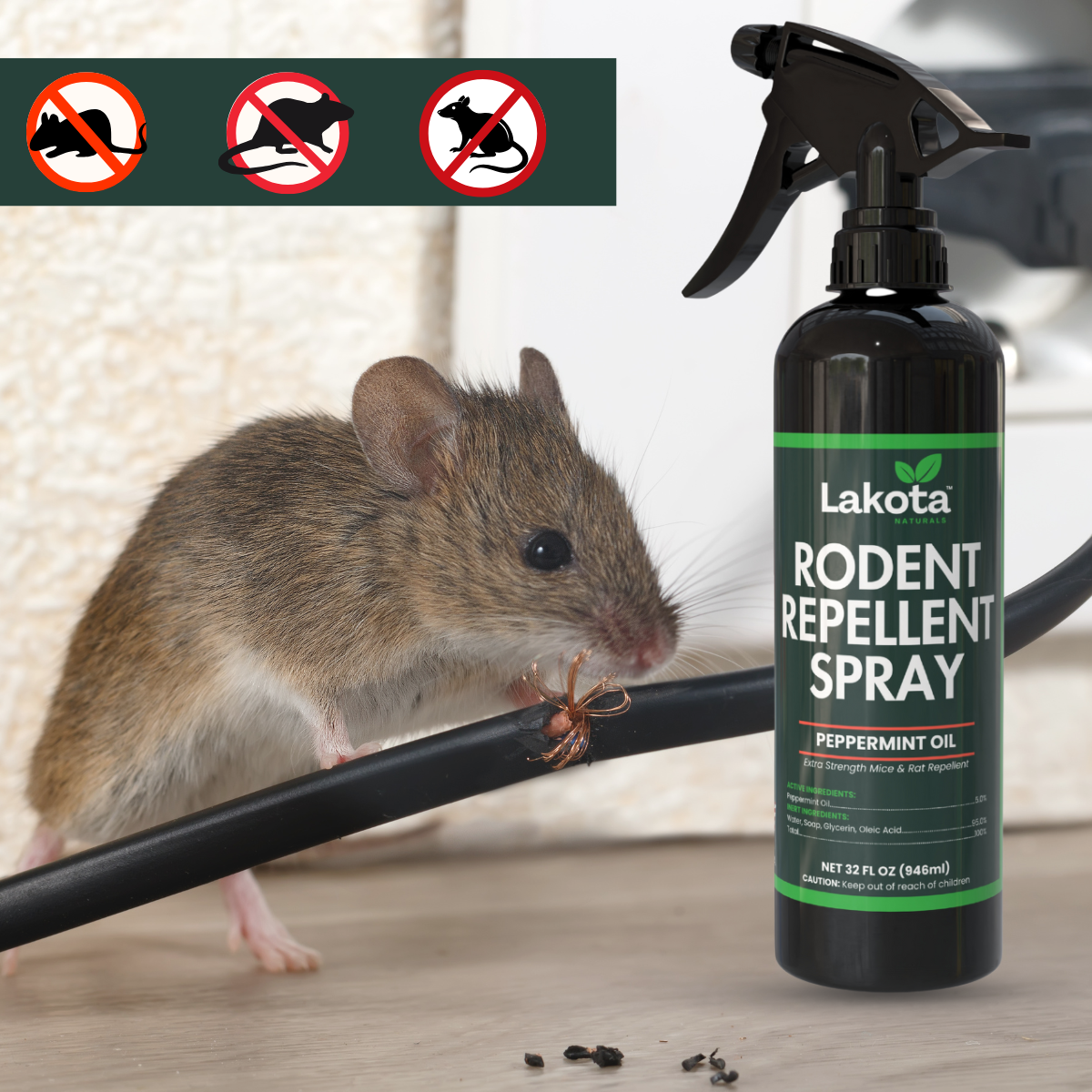
How Repellent Sprays Deter Rats
A repellent spray deters rats primarily by disrupting their sensory cues: strong odors overwhelm olfactory receptors https://igreenasia.com/, irritating compounds create discomfort on contact, and bitter additives discourage gnawing and ingestion.
The formulation targets instinctive behaviors—exploration, feeding, and nesting—so treated zones become unattractive without restricting movement elsewhere. Application creates a temporary protective perimeter that signals risk, prompting rodents to avoid the area and seek unprotected resources.
Effectiveness depends on coverage, environmental conditions, and reapplication schedules; rain and wind reduce persistence, while sheltered spots retain the effect longer.
Users seeking autonomy appreciate predictable, nonlethal control that preserves choice: it shifts pest behavior rather than attempting eradication, allowing people to manage spaces on their own terms with minimal intrusion.
Which Scents and Active Ingredients to Choose
When selecting scents and active ingredients for a rat repellent spray, effectiveness hinges on choosing compounds that target rodent sensory systems without posing undue risk to people, pets, or plants.
Preferred options include natural oils—peppermint, eucalyptus, and citronella—that irritate olfactory receptors and are safe at recommended dilutions.
Ultrasonic additives are non-chemical adjuncts but have mixed evidence.
Synthetic irritants like capsaicin deter through discomfort but require careful dosing and clear labeling to avoid human or animal harm.
Botanical-based pyrethrins offer knockdown effects but can affect beneficial insects.
Non-toxic bittering agents reduce accidental ingestion.
Products should list concentrations, safety data, and EPA or local approvals where applicable.
The choice balances deterrence strength, safety, environmental impact, and the user’s autonomy in managing spaces.
Where to Apply Rat Repellent Spray for Best Results
Because rats follow established pathways and avoid unfamiliar odors, targeted application of repellent spray along those routes yields the best results. The spray should be placed where rodents move and forage without obstructing human movement. Focused treatment conserves product and respects open spaces, allowing occupants freedom while discouraging pests.
- Along baseboards and entry gaps where walls meet floors
- Near foundation seams, vents, and utility penetrations outside
- Around garbage storage, compost areas, and food handling zones
- Along attic rafters, crawlspace beams, and behind appliances
Applications should be light, repeated after rain or cleaning, and combined with exclusion practices. Avoid saturating areas; precise, confident placement preserves the environment’s usability while steering rodents away from inhabited zones.
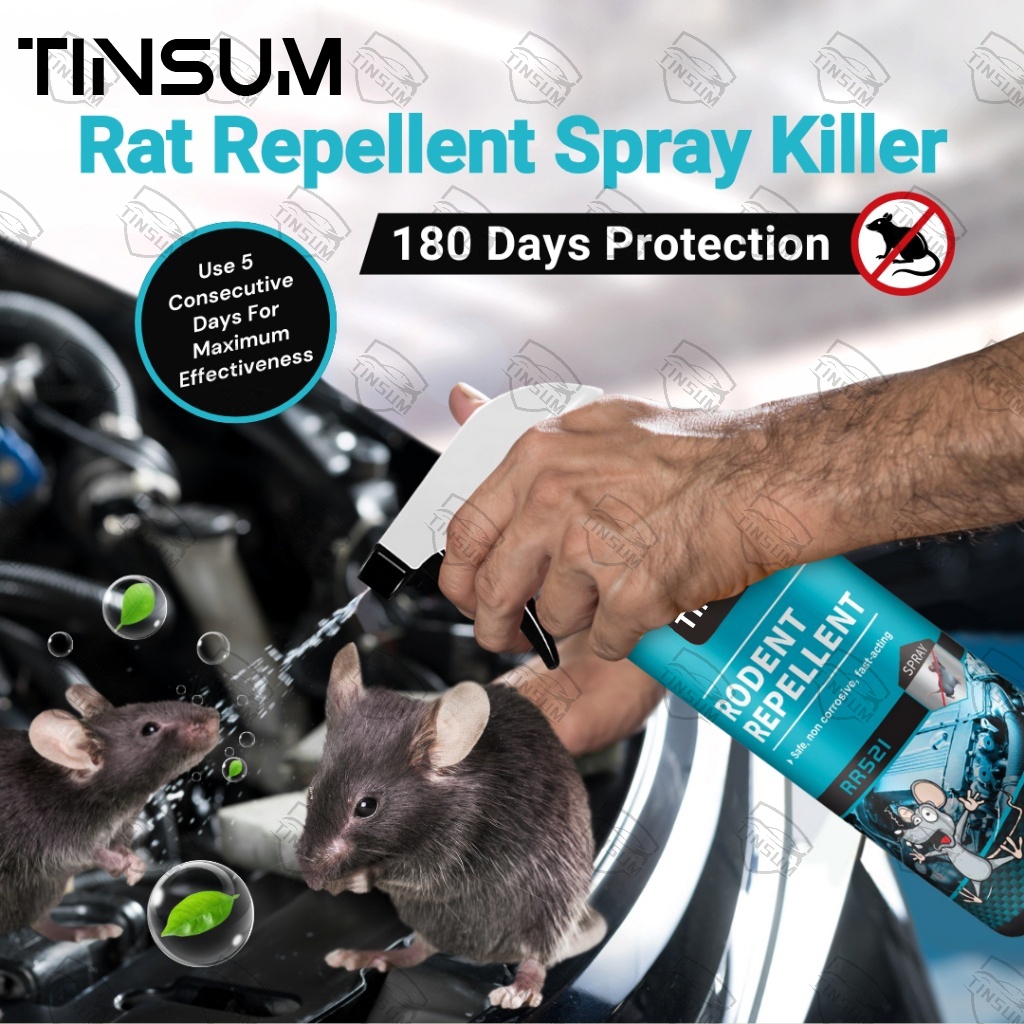
Rat Repellent Spray: Safety, Limits, and Pets
Although formulated to deter rodents, rat repellent sprays carry specific safety considerations and practical limits that users must understand before application. Labels guide safe use: ventilation, avoiding inhalation, and wearing gloves prevent irritation.
Many formulas are irritants to eyes, skin, and mucous membranes; some contain ingredients harmful to fish and wildlife. Efficacy varies with weather, saturation, and scent habituation; sprays are typically short-term barriers, not guaranteed exclusions.
Pet safety requires reading ingredient lists and keeping animals away until treated areas dry; certain compounds can be toxic to cats and small mammals.
For those valuing autonomy, thoughtful application, adherence to instructions, and combining repellents with habitat modification preserve safety and freedom without overreliance on a single method.
When to Use Sprays With Traps and Exclusion
After reviewing safety limits and pet risks, consideration turns to how repellents fit alongside traps and exclusion. The text explains that sprays are a tactical complement rather than a sole solution.
Sprays deter entry points briefly, giving time to place traps and seal gaps. Timing matters: apply repellents during initial sealing and when traps are set to reduce dispersal and lure interference. The detached guidance respects users’ autonomy, emphasizing choice and measured action.
- Use sprays to temporarily discourage activity while sealing entry points
- Avoid spraying directly on baits or trap surfaces to preserve effectiveness
- Reapply after rain or cleaning to maintain a protective buffer
- Combine with structural exclusion for lasting, freedom-preserving control
Conclusion
Rat repellent sprays offer a nonlethal, immediate means to discourage rats by exploiting aversive odors and sensory irritants. When selected for effective active ingredients and applied near entry points, nests, and transit routes, they can reduce activity temporarily and complement exclusion and trapping. Users should follow label precautions around people and pets and recognize sprays’ limited longevity. For lasting control, integrate repellents with sanitation, sealing, and targeted trapping as part of a broader rodent management plan.
…