

In a practical dog grooming class, participants engage directly with grooming tools, learning to trim, detangle, and shape different coat types. The course covers canine behavior dog grooming course, teaching how to recognize stress signs and build trust. Students gain skills in using professional brushes, clippers, and nail care devices, while also adapting techniques for various breeds. Safety and comfort are priorities, with strategies to minimize stress and injury. Further insight reveals additional essential grooming practices and considerations.
Hands-On Grooming Techniques
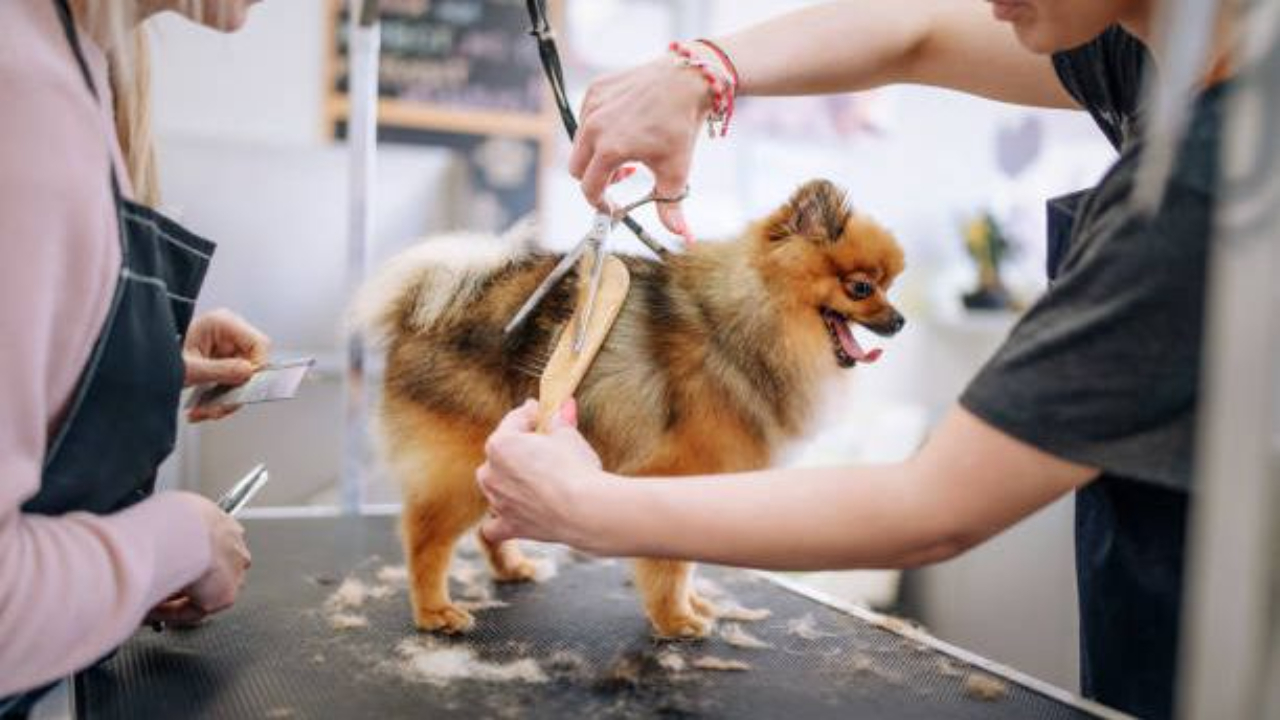
Participants engage directly with various grooming tools, learning essential techniques through practical application. They explore the use of clippers, scissors, brushes, and combs, gaining hands-on experience in trimming, detangling, and shaping fur.
The instruction emphasizes precision and care https://cosmos.petuniverse.com/dog-grooming-course/, enabling participants to handle different coat types confidently. Practical sessions focus on mastering the basics of bathing, drying, and finishing touches, fostering independence in grooming tasks.
Tools are introduced with guidance on safety and effectiveness, ensuring participants develop skills that promote both canine comfort and aesthetic appeal.
Through this immersive approach, individuals build competence and self-reliance, embracing the freedom to maintain their dogs’ grooming needs without dependence on external services.
The experience cultivates a sense of control and empowerment in personal pet care.
Understanding Canine Behavior
Although grooming skills are essential, a fundamental understanding of canine behavior greatly enhances the grooming experience. Recognizing signs of stress, anxiety, or discomfort in dogs allows groomers to adapt their approach, ensuring the process remains calm and safe.
Observing body language—such as tail position, ear movement, and eye contact—provides insight into a dog’s emotional state. This knowledge empowers groomers to build trust and reduce resistance, making grooming smoother for both parties.
Additionally, understanding breed-specific temperaments helps anticipate reactions and tailor handling techniques accordingly. By respecting a dog’s signals and boundaries, groomers foster a cooperative environment that promotes well-being and freedom, ultimately improving grooming outcomes and the overall experience.
Using Professional Grooming Tools
A variety of professional grooming tools are essential for achieving efficient and effective results.
In a practical dog grooming class, participants become familiar with the tools that streamline the grooming process while ensuring the dog’s comfort. Proper use of these tools allows groomers to work with precision and speed, which is vital for maintaining a relaxed environment.
Common professional grooming tools include:
- Slicker brushes for removing loose fur and tangles
- Clippers with adjustable blades for trimming coat length
- Scissors designed for detailed cutting and shaping
- Dematting combs to safely detangle stubborn mats
- Nail clippers or grinders for proper paw care
Mastering these tools empowers individuals to groom confidently, enhancing both their skills and the dog’s wellbeing.

Handling Different Dog Breeds
When grooming various dog breeds, understanding their unique coat types and temperaments is essential. Each breed demands specific techniques to maintain coat health and appearance.
For example, double-coated breeds require careful undercoat removal, while curly-haired breeds need detangling to prevent matting. Temperament influences handling approaches; calm breeds may need minimal restraint, whereas anxious or energetic dogs benefit from gentle, steady guidance.
Grooming classes emphasize recognizing breed-specific needs to optimize care and efficiency. Participants learn to adjust tools and methods accordingly, promoting a respectful and effective grooming experience.
This tailored approach not only enhances coat quality but also fosters trust between groomer and dog, enabling a freer, more confident handling style adaptable to diverse canine companions.
Ensuring Safety and Comfort During Grooming
Understanding the specific needs of different dog breeds informs the methods used to guarantee their safety and comfort during grooming sessions.
Practical dog grooming classes emphasize techniques that minimize stress and prevent injury, ensuring a positive experience for both groomer and dog. Safety protocols and comfort measures are integral parts of the curriculum, allowing participants to work confidently and freely with various dogs.
Key practices include:
- Using breed-appropriate tools and products
- Monitoring dogs for signs of distress or discomfort
- Employing gentle handling and restraint methods
- Maintaining a clean, non-slip grooming environment
- Allowing breaks to prevent fatigue and anxiety
These guidelines empower groomers to create a safe, comfortable atmosphere, respecting each dog’s unique nature and promoting a sense of freedom during grooming.
Conclusion
A practical dog grooming class provides essential hands-on experience with grooming techniques and professional tools. Participants gain insight into canine behavior, enabling better handling and communication with dogs of various breeds. Emphasis on safety and comfort guarantees a positive grooming environment for both groomer and pet. Overall, such a class equips individuals with the skills and confidence necessary to perform effective, compassionate grooming while addressing the unique needs of each dog.